

Golf Course Styles
Your Ultimate Golf Course Guide: Finding Your Perfect Match
Most golfers stick to one course without knowing what fits their style best. You might be missing out on the perfect challenge or the right pace that makes golf truly enjoyable. This golf course guide breaks down different golf course styles and types of golf courses so you can stop guessing and start playing where you belong.
Understanding Golf Course Styles

The style of a golf course shapes your entire playing experience. From the terrain to the challenges, each course style offers something unique for different players. Knowing these differences helps you pick courses that match your playing strengths.
Links Courses: The Classic Choice
Links courses take you back to golf’s Scottish roots with their coastal locations and natural terrain. These courses sit on sandy soil between the beach and farmland, creating a raw, windswept experience unlike any other.
What makes links golf special? The firm, fast fairways force you to play the ball along the ground rather than through the air. Bunkers aren’t just scattered randomly but placed strategically to catch wayward shots. The wind becomes your constant companion, sometimes friend but often foe.
Most links courses feature minimal trees, bumpy fairways, and pot bunkers that can swallow your ball whole. The natural contours guide your strategy, making you think about how the ball will roll after landing. According to Golf.com, true links courses make up less than 1% of all courses worldwide, making them a rare treat for golf purists.
You’ll need to pack your low-trajectory shots and bump-and-run techniques when playing these historic layouts. The unpredictable bounces and constant wind create a challenge that tests both your skills and patience.
Parkland Courses: A Green Oasis
Parkland courses bring golf into lush, tree-lined settings that feel more like walking through a park. These courses trade coastal winds for strategic tree placement and manicured conditions.
When you step onto a parkland course, you’ll notice the contrast immediately. Soft, receptive greens welcome high approach shots. Trees frame each hole, creating clear visual targets but also punishing wayward drives. Water features like ponds and streams add both beauty and challenge.
Most American golfers grow up playing parkland courses. The fairways stay green year-round in many regions thanks to irrigation systems. Bunkers on these courses tend to be more forgiving than their links counterparts but still require careful planning to avoid.
Your aerial game shines on parkland layouts. The soft conditions let you attack pins more aggressively, with balls stopping quickly on greens. According to Golden Oaks Golf Club, parkland courses reward accurate iron play and strategic thinking more than raw distance.
Desert Courses: Unique Challenges Await
Desert golf creates a striking visual contrast: lush green fairways cutting through sandy, arid landscapes. These courses turn the harsh desert into an oasis for golfers seeking something different.
Playing desert golf means adjusting your expectations. The “rough” isn’t grass but often desert waste areas filled with sand, rocks, and native plants. Missing the fairway might mean your ball is playable or completely lost among cacti and brush.
The climate shapes everything about desert golf. Early morning tee times help you beat the heat during summer months. The ball travels farther in the dry air, adding distance to your shots. Greens tend to be firm and fast, making approach shots tricky.
What makes desert courses special? The dramatic scenery can’t be beaten, with mountains and rock formations creating spectacular backdrops. The clear division between playing areas and natural desert creates a target-golf mentality that rewards precision. As noted on ShipSticks, desert courses often incorporate natural terrain features that create both visual interest and strategic challenges.
Exploring Types of Golf Courses
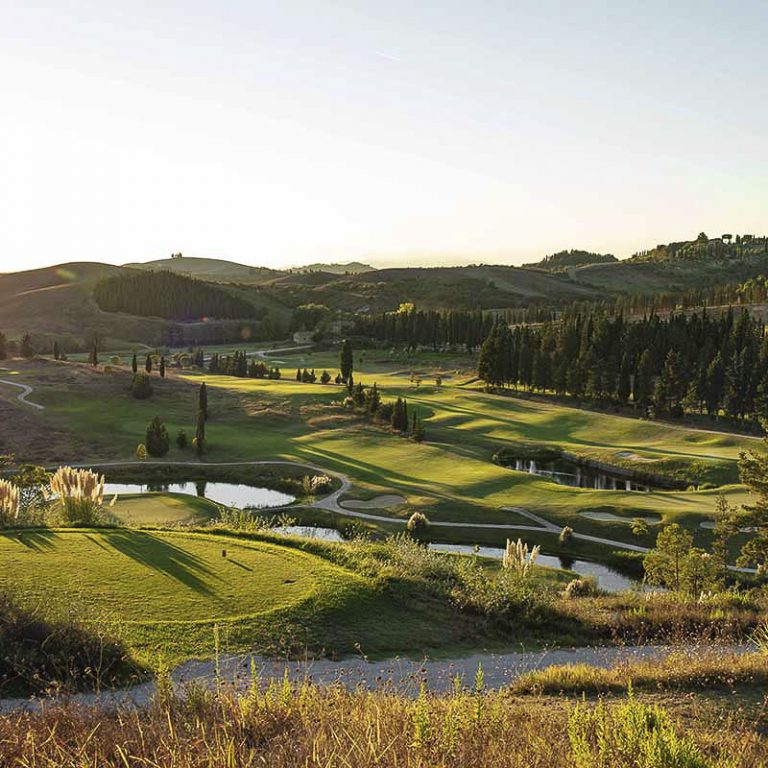
Beyond style, golf courses fall into different categories based on who can play them and how they’re managed. Each type offers distinct advantages depending on your budget, schedule, and playing goals.
Resort Courses: Luxurious Playtime
Resort courses blend golf with vacation amenities, creating experiences that extend beyond the 18th hole. These courses aim to please both serious golfers and casual players enjoying a getaway.
When you book a resort course, you’re paying for more than just golf. Expect pristine conditions with perfect bunkers, manicured fairways, and greens that roll true. Most resort courses include forecaddies or GPS-equipped carts to help first-time visitors navigate the layout.
The design philosophy of resort courses balances challenge with playability. Multiple tee options accommodate all skill levels. Landing areas tend to be wider than on championship courses. Bunkers and water hazards create visual drama without being overly punitive.
After your round, resort amenities await. From spa treatments to gourmet dining, these facilities create complete experiences. Many top resorts feature multiple courses, letting you play different layouts during your stay without extra travel. The convenience comes at a price, with green fees typically ranging from $100 to $500+ depending on location and prestige.
Public Courses: Affordable Fun
Public golf courses form the backbone of the golf world, providing affordable access for millions of players. These courses welcome everyone without membership requirements.
The variety within public golf is remarkable. Municipal courses operated by local governments offer the most affordable rates, often under $50 for 18 holes. Daily-fee courses, while still public, may charge more for enhanced conditions or challenging designs.
Playing public courses connects you with golf’s democratic spirit. You’ll meet people from all walks of life, from beginners to skilled amateurs. The pace can vary widely; busier public courses might mean slower rounds during peak times.
What makes public golf special? The value can’t be beaten. Many public courses offer loyalty programs or resident discounts to make regular play affordable. Some public courses boast designs by famous architects that rival private clubs. According to EV Titan, finding the right public course for your skill level makes golf both more enjoyable and helps improve your game faster.
Private Courses: Exclusive Access
Private golf clubs create exclusive communities around shared passion for the game. Membership opens doors to unique experiences beyond what public courses typically offer.
The benefits of private club membership start with access. You’ll play uncrowded courses with convenient tee times, often without having to book far in advance. Course conditions tend to be exceptional, with higher maintenance budgets ensuring pristine fairways and greens.
Private clubs foster social connections through member tournaments, leagues, and events. Many clubs extend beyond golf with tennis courts, swimming pools, dining facilities, and social calendars. For business professionals, clubs provide networking opportunities in relaxed settings.
The exclusivity comes at a price. Initiation fees can range from a few thousand dollars at modest clubs to six figures at prestigious venues. Monthly dues, food minimums, and assessment fees add to the ongoing cost. The application process often requires member sponsorship and committee approval, creating barriers beyond just financial considerations.
Finding Your Ideal Golf Course

With so many options available, finding courses that match your preferences makes golf more enjoyable. The right course fits your skill level, playing style, and what you value most about the game.
Assessing Your Golf Style Preferences
Your ideal golf course matches how you like to play the game. Taking time to understand your preferences helps narrow down which courses will bring you the most satisfaction.
Start by asking what shots you enjoy hitting. Do you love the challenge of working the ball around obstacles, or prefer straightforward holes where you can grip it and rip it? Players who enjoy shotmaking might prefer traditional layouts with strategic options, while big hitters might favor more open courses.
Consider what aspects of course design matter most to you. Some players value scenic beauty above all, while others care more about course conditioning or challenging hole designs. Make a simple list ranking these factors: layout challenge, scenery, conditions, pace of play, and amenities.
Your temperament affects course selection too. If you get frustrated easily, courses with many forced carries or severe penalties might not be enjoyable. Players who love problem-solving might seek out courses with unusual features or demanding shots.
The time you have available matters as well. Some courses require 5+ hours to play, while others can be completed in under 4 hours. Being honest about these preferences helps you find courses that fit not just your game but your lifestyle.
Matching Courses with Skill Level
Playing courses that match your abilities creates the perfect balance of challenge and enjoyment. The right course pushes your skills without crossing into frustration territory.
Beginners benefit from forgiving courses with wider fairways, fewer forced carries, and multiple tee options. Look for courses described as “player-friendly” with slope ratings under 120 from your typical tees. Many public courses design their layouts with average golfers in mind.
Intermediate players should seek courses that test different aspects of their game. A mix of long and short holes, various hazard types, and greens with moderate contours provides good variety. Slope ratings between 120-135 typically offer appropriate challenge without becoming overwhelming.
Advanced players looking for tests should target courses with higher slope and course ratings. These layouts feature narrower landing areas, strategically placed hazards, and complex greens. Championship venues and courses designed by architects known for difficulty will provide the challenge you seek.
Remember that playing from appropriate tees makes any course more enjoyable. As noted by golf instructors, playing tees that allow you to reach most par 4s in two shots creates the experience the designer intended.
Planning for Group Golf Trips
Group golf trips create lasting memories, but require finding courses that work for everyone. Smart planning ensures all players enjoy the experience regardless of skill differences.
Start by assessing the skill range in your group. Mixed-ability groups need courses with multiple tee options and forgiving designs that won’t punish newer players excessively. Look for courses rated highly for “playability” rather than just difficulty.
Consider formats that accommodate different skill levels. Scrambles or modified Stableford scoring can keep competition fun without frustrating higher-handicap players. Planning a mix of challenging and more forgiving courses throughout the trip satisfies everyone.
Budget conversations should happen early. Green fees, cart rentals, and caddie fees vary dramatically between courses. Setting clear expectations prevents awkward situations when the bill arrives. Many destinations offer package deals that provide better value than booking courses individually.
Logistics matter for group trips. Choose courses reasonably close to your accommodation to minimize travel time. Book tee times well in advance, especially for larger groups or popular destinations. Many courses offer group discounts for bookings of 12 or more players.
Golf Course Guide for Every Enthusiast

No matter your experience level or preferences, certain courses stand out as particularly well-suited for specific types of golfers. These recommendations help you find your perfect match.
Top Picks for Beginners
Beginning golfers need courses that build confidence while teaching fundamentals. The right starter courses make learning enjoyable rather than frustrating.
Executive and par-3 courses provide perfect learning environments. These shorter layouts let you practice approach shots and short game without the pressure of long par 4s and 5s. Many municipal courses design their layouts with beginners in mind, offering wider fairways and fewer forced carries over water or deep bunkers.
Look for courses that offer practice facilities included with green fees. Warming up before your round helps set a positive tone. Courses with less foot traffic, particularly during weekday afternoons, give you space to play at a comfortable pace without feeling rushed by groups behind you.
What makes a beginner-friendly course? Beyond forgiving layouts, some facilities offer special programs like “Golf 101” clinics or designated beginner tee times. Courses with relaxed dress codes and welcoming staff create environments where new players feel comfortable asking questions.
The best beginner courses grow with you as your skills improve. Multiple tee options let you gradually increase difficulty as your game develops. According to teaching professionals, courses that require different shot shapes but offer bail-out areas provide ideal learning environments.
Challenging Courses for Seasoned Players
Experienced golfers seek courses that test every aspect of their game. These challenging layouts reward strategic thinking and precise execution.
Championship courses demand excellence from tee to green. Narrow fairways punish wayward drives, while strategically placed bunkers and water hazards create decision points throughout the round. Green complexes with subtle breaks and multiple tiers test your putting and approach play.
What separates truly challenging courses from merely difficult ones? The best tough courses remain fair despite their difficulty. They offer options for playing holes different ways rather than forcing one approach. Risk-reward decisions come into play regularly, tempting you to attempt shots that could yield birdies or lead to big numbers.
Many challenging courses have hosted professional tournaments, letting you test your game on the same layouts as the pros. Playing these courses gives you new appreciation for what tour players accomplish. The designs often incorporate natural features that create both strategic challenges and memorable visuals.
For the ultimate test, seek out courses with high slope ratings (140+) from your normal tees. These layouts identify weaknesses in your game while rewarding your strengths. Playing challenging courses occasionally keeps your game sharp and highlights areas needing improvement.
Couples-Friendly Golf Spots
Golf offers perfect opportunities for couples to spend quality time together. The right courses create enjoyable experiences for pairs with different interests and skill levels.
Couples-friendly courses emphasize the social aspects of golf alongside the game itself. Look for facilities with attractive clubhouses, outdoor seating areas, and quality food and beverage options. Courses that offer nine-hole rates give couples flexibility to play shorter rounds when time is limited.
Scenery plays a big role in couples golf. Courses with beautiful landscaping, water features, and mountain or ocean views create memorable shared experiences beyond the score. Many resort courses design their layouts to showcase natural beauty while remaining playable for average golfers.
The best couples destinations offer activities beyond golf. Courses near wineries, beaches, or cultural attractions create opportunities for balanced trips. Some resorts create special couples packages including spa treatments, dining experiences, and golf instruction.
For couples with different skill levels, courses with generous fairways and multiple tee options work best. Some facilities offer couples clinics focused on making the game enjoyable for both partners. The relaxed atmosphere at these courses encourages fun rather than competitive pressure.